
Where Giants Breathe: Four Himalayan Dreams That Change a Trekker Forever
There are many mountains in the world, but nothing really prepares you for the Himalayas. The scale feels unreal, the silence feels heavy, and the air itself starts teaching you patience. People often think climbing peaks and trekking passes are just adventures, but honestly, they feel more like life experiences wearing the mask of travel. Among so many routes and summits, four journeys stand out in a very special way—Island Peak climbing, Lobuche Peak climbing, Mera Peak climbing, and the Everest Three Passes trek. Each one has its own personality, its own struggle, and its own strange beauty. None of them are just trips. They are stories waiting to happen.
Island peak climbing—small peak, big emotions
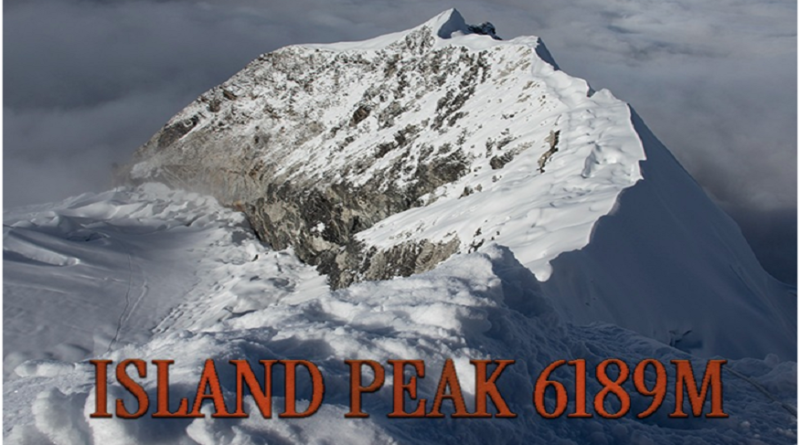
Island Peak, also called Imja Tse, is one of those mountains that quietly surprises people. When you first hear the name, you may imagine something gentle, something easy. But once you stand below it, the illusion disappears very quickly. The mountain rises like a sharp white blade from the valley. It looks elegant, yes, but also very serious. Many trekkers choose Island Peak climbing as their first real Himalayan summit, and that decision usually comes with mixed feelings—excitement, fear, curiosity, and doubt. The climb itself is not extremely technical, but it is not a simple walk either. There are glaciers, fixed ropes, and steep ice sections. The altitude makes every step feel heavier than it should. Breathing becomes slow, and movements become careful.
Yet the magic of Island Peak is not only the summit. It is a journey through the Everest region. Namche Bazaar is buzzing with life. Dingboche is resting quietly under giant peaks, and Chhukung Valley is glowing in morning light. Everything slowly builds your connection with the mountain. And then comes summit day. cold darkness, crunching snow, headlamps moving like tiny stars. When you finally stand on top, the feeling is hard to describe. Not loud happiness, more like deep quiet satisfaction. Like something inside you suddenly becomes calm.
Lubuche Peak climbing—raw, dramatic, unforgettable
If Island Peak feels elegant, Lubuche Peak feels wild. There is something rugged about it, something less polished, more raw. Many climbers say Lobuche Peak climbing gives a stronger sense of mountaineering, and that description fits well. The approach already feels different. You move along the classic Everest Base Camp trail, surrounded by some of the most famous mountains on earth. Ama Dablam, Nuptse, and Lhotse—giants watching silently as you walk. Lubuche itself appears sharp and commanding. It does not pretend to be friendly. The climb involves rocky ridges, steep snow slopes, and sections where balance and focus matter a lot. Weather can change quickly, adding another layer of uncertainty. This peak often attracts those who want more challenge and more intensity. Not necessarily extreme difficulty, but a stronger test of endurance and confidence. It asks for respect.
One of the most striking moments during Lubuche Peak climbing is the sense of exposure. Sometimes you feel suspended between sky and valley, with nothing but snow and wind around you. It is both thrilling and slightly terrifying. The summit view feels vast and dramatic. You see the Everest massif stretching endlessly, glaciers twisting like frozen rivers, and valleys fading into distant haze. It reminds you how small human ambitions really are. But strangely, instead of feeling insignificant, you feel alive. deeply alive.
Mere Peak climbing—the quiet giant
A mere peak holds a different kind of charm. It is higher than Island Peak and Lobuche Peak, yet many describe Mera Peak Climbing as less technical. But make no mistake—altitude alone can be a formidable opponent. The journey to the near peak takes you through remote and less-crowded valleys. forests, rivers, hidden villages, and long peaceful trails. It feels like stepping into a slower, older rhythm of mountain life. The mountain itself is broad and majestic rather than sharp and aggressive. Its glaciers stretch wide; its slopes rise gradually. Everything about Mera feels spacious. The main challenge here is endurance. long walking days, high camps, and thin air that quietly drains your energy. Your body must adapt; your mind must stay patient.
Summit day on Mera Peak is often described as one of the most beautiful experiences in the Himalayas. not because of dramatic cliffs or technical drama, but because of the extraordinary panorama. From the top, you can see five of the world’s highest mountains—Everest, Lhotse, Makalu, Cho Oyu, and Kanchenjunga. The horizon looks endless. snow peaks floating like islands in a sea of clouds. It is not a violent triumph. It is more like standing inside a dream.
Everest Three Pass Trek: The Ultimate High-Altitude Journey
While peaks focus on summits, the Everest Three Pass Trek is about crossing thresholds. It is a journey of movement, of persistence, of constantly stepping beyond comfort. This trek is considered one of the most demanding routes in the Everest region. Not because of technical climbing, but because of distance, altitude, and the repeated physical effort of crossing three high passes—Kongma La, Cho La, and Renjo La. Each pass has its own personality. Kongma La feels vast and lonely. Cho la feels icy and dramatic. Renjo La feels almost poetic, with stunning views over Gokyo Lakes. The Everest Three Pass trek connects many landscapes into one continuous adventure. busy trails, silent valleys, turquoise lakes, frozen glaciers, ancient monasteries, and windswept ridges.
What makes this trek truly special is the emotional rhythm. Some days feel strong and joyful. Others feel slow, exhausted, and uncertain. Altitude can play tricks on your body and mind. But slowly, step by step, something changes. You begin to accept discomfort as part of the experience. Fatigue becomes normal. Simplicity becomes beautiful. Standing on each pass feels like a personal milestone. not flashy success, but quiet inner achievement. You realize the journey itself is the real reward.
choosing between peaks and passes
Many travelers struggle with the question—should I climb a peak or do a demanding trek? Honestly, there is no universal answer. It depends on personality, goals, and curiosity. Island Peak climbing is often perfect for first-time climbers who want a mix of trekking and mountaineering. Lubuche Peak climbing suits those seeking more intensity and dramatic terrain. Mere peak climbing is ideal for altitude lovers who prefer less technical routes but bigger horizons. The Everest Three Pass Trek, meanwhile, attracts those who love pure trekking challenges—long distances, varied landscapes, and constant movement. Some adventurers even combine experiences. Trek first, climb later. or climb one peak and return for another. The Himalayas have a strange way of calling people back.
Physical challenge vs. mental challenge
People usually focus on physical preparation. fitness, stamina, and strength. All very important, of course. But in high-altitude journeys, mental endurance becomes equally critical. Mountains do not always cooperate. Weather shifts, bodies react unpredictably, and plans change. Patience becomes your strongest tool. Humility becomes your silent companion. Whether during Island Peak climbing, Lobuche Peak climbing, Mera Peak climbing, or the Everest Three Passes trek, the greatest battle is often internal. managing fear, fatigue, and doubt. And this is exactly why these journeys feel transformative.
Why do these experiences stay forever?
Long after returning home, the memories do not fade easily. They settle somewhere deep inside you. The cold morning light touching snow peaks. the slow crunch of boots on the glacier. The sound of wind over high passes. the shared smiles in teahouses. the strange piece of thin air. These are not ordinary travel memories. They feel more personal, more intimate. Mountains have a way of stripping life down to essentials. breath, movement, and awareness. Everything unnecessary falls away.
Final thoughts—beyond adventure
In the end, these journeys are not just about climbing or trekking. They are about perspective. Island Peak climbing teaches courage. Lubuche Peak climbing teaches resilience. Mere peak climbing teaches patience. The Everest Three Pass trek teaches endurance. But together, they teach something larger—how to move through difficulty with calmness, how to appreciate silence, how to respect nature, and how to understand your own limits. and maybe the most beautiful lesson of all… The summit is never only a place on a mountain. Sometimes, it is a place inside yourself.
Contact Details
——————————–
Company address: Everest Trekking Routes Pvt. Ltd.
16 Khumbu, Nayabazaar, Kathmandu, Nepal
Mobile: +977-9843467921 (Rabin)
Email: [email protected]
URL:– www.everesttrekkingroutes.com